Chimneys on Long Island tell a story. Many homes in North Bellmore were built in the mid-twentieth century, when builders constructed chimneys with masonry that has now endured decades of freeze-thaw cycles, salt air exposure, and constant weather. These brick and mortar structures are durable by design, yet they're not immune to time. When cracks appear, mortar crumbles, or water stains emerge on your interior walls, the chimney is trying to tell you something needs attention. DME Maintenance has spent over two decades listening to what chimneys in North Bellmore are saying, and we've learned to act before small problems cascade into serious structural issues.
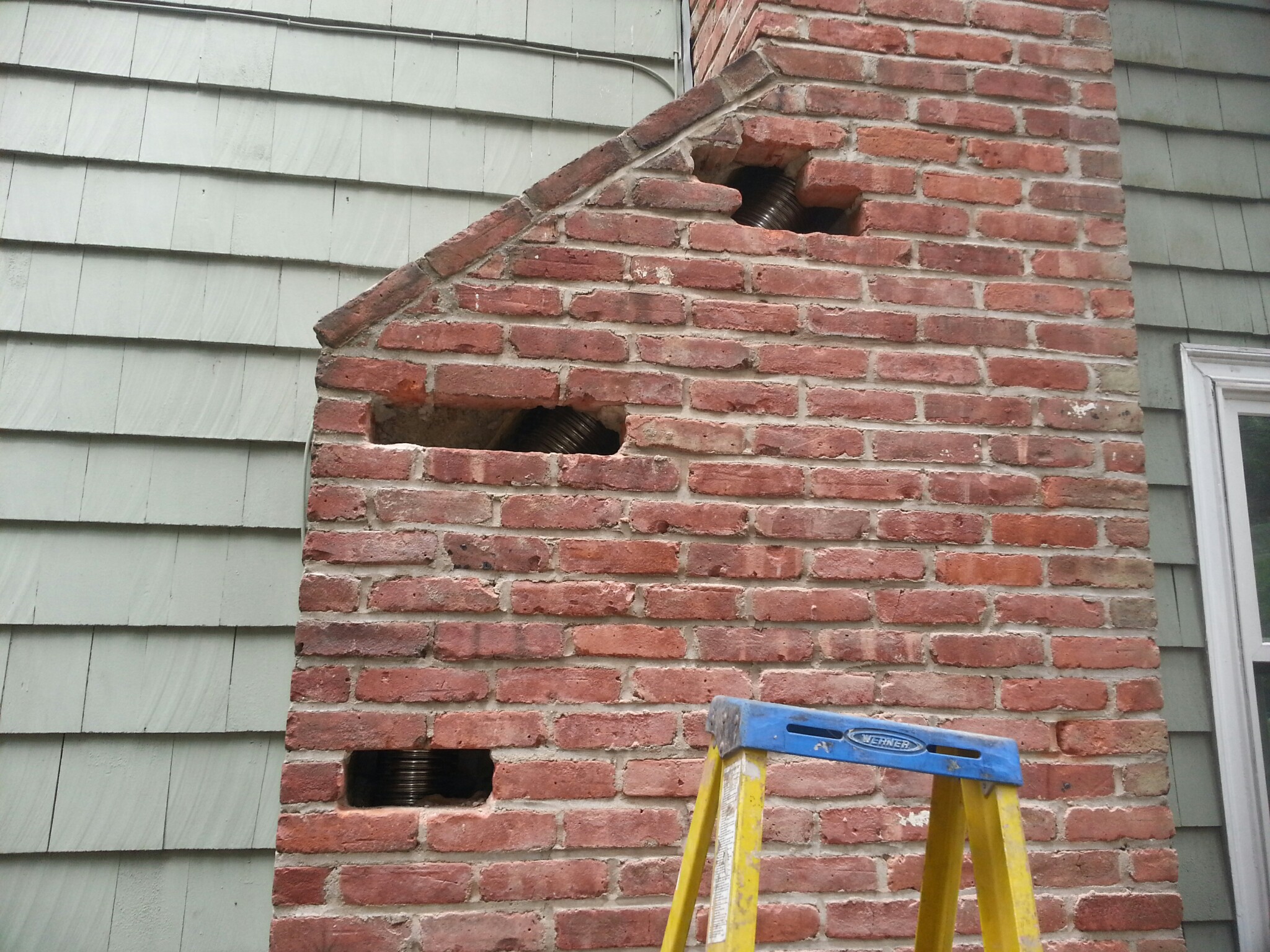
Mortar joints are the skeleton holding your chimney together. The mortar between bricks acts as both adhesive and sealant, keeping water out and maintaining the chimney's structural integrity. In North Bellmore, homeowners often notice that older chimneys develop soft, crumbling mortar, especially on the exterior face that takes the brunt of winter wind and spring rain. When mortar joints fail, water penetrates behind the bricks. Moisture then freezes during our cold Long Island winters, expanding and cracking the brick itself. What began as worn mortar now becomes brick replacement work, which costs considerably more and takes longer to complete properly.
Brick damage follows a predictable pattern on Long Island. Homeowners in North Bellmore typically first notice spalling, which is when the outer layer of a brick begins to flake or peel away. This happens because water enters the brick, freezes, and forces the surface to separate. Some bricks develop deep cracks that run vertically or diagonally. Others simply crumble from the inside out. The exposed interior becomes soft and vulnerable to further water intrusion. Once brick deterioration starts, it accelerates. Temperature swings between winter freeze and spring thaw create a relentless cycle that worsens damage month after month.
Water intrusion is perhaps the most insidious chimney problem affecting homes in North Bellmore. Unlike a visible crack in the exterior, water damage often happens silently inside your walls and attic. You might notice water stains appearing on the ceiling of a room below your attic, or smell musty odors during humid summer months. Water running down the interior of your chimney can damage drywall, insulation, and wooden framing. It can rot the roof structure where the chimney penetrates the roofline. In North Bellmore's maritime climate, with proximity to Long Island Sound and seasonal humidity swings, moisture management is not optional, it's important. We've found water damage in places that would surprise homeowners who never realized their chimney was the entry point.
Structural integrity is the real concern underneath all of these individual problems. When multiple issues exist simultaneously, your chimney becomes unstable. We've assessed chimneys in North Bellmore where mortar joints were failing in three or four places, bricks were spalling across multiple sections, and water was actively leaking into the home. These chimneys don't fall overnight, but they're no longer safe to use. A structurally compromised chimney might lean slightly, develop visible gaps at the roofline, or separate from the house exterior. For homes on Long Island that rely on oil heating systems, a non-functional chimney creates serious safety concerns. You cannot ignore a chimney that's losing its structural soundness.
The seasons on Long Island create a harsh environment for masonry. Winter brings freeze-thaw cycling that few building materials can withstand indefinitely. Spring arrives with heavy rains that test every seam and joint. Summer humidity accelerates deterioration in mortar that's already weakened. Fall winds drive water sideways into exposed brick surfaces. Homeowners in North Bellmore experience all four seasons working against their chimneys every single year. The combination of temperature extremes and salt air from nearby water bodies means chimneys age faster here than in inland regions. Early intervention isn't just smart maintenance, it's the only way to keep pace with the environmental forces at work on your home.
DME Maintenance serves every street in North Bellmore. We have been cleaning chimneys on Long Island long enough to know exactly what local homes need — from older clay-lined flues in pre-war houses to modern stainless steel liner systems in newer construction.
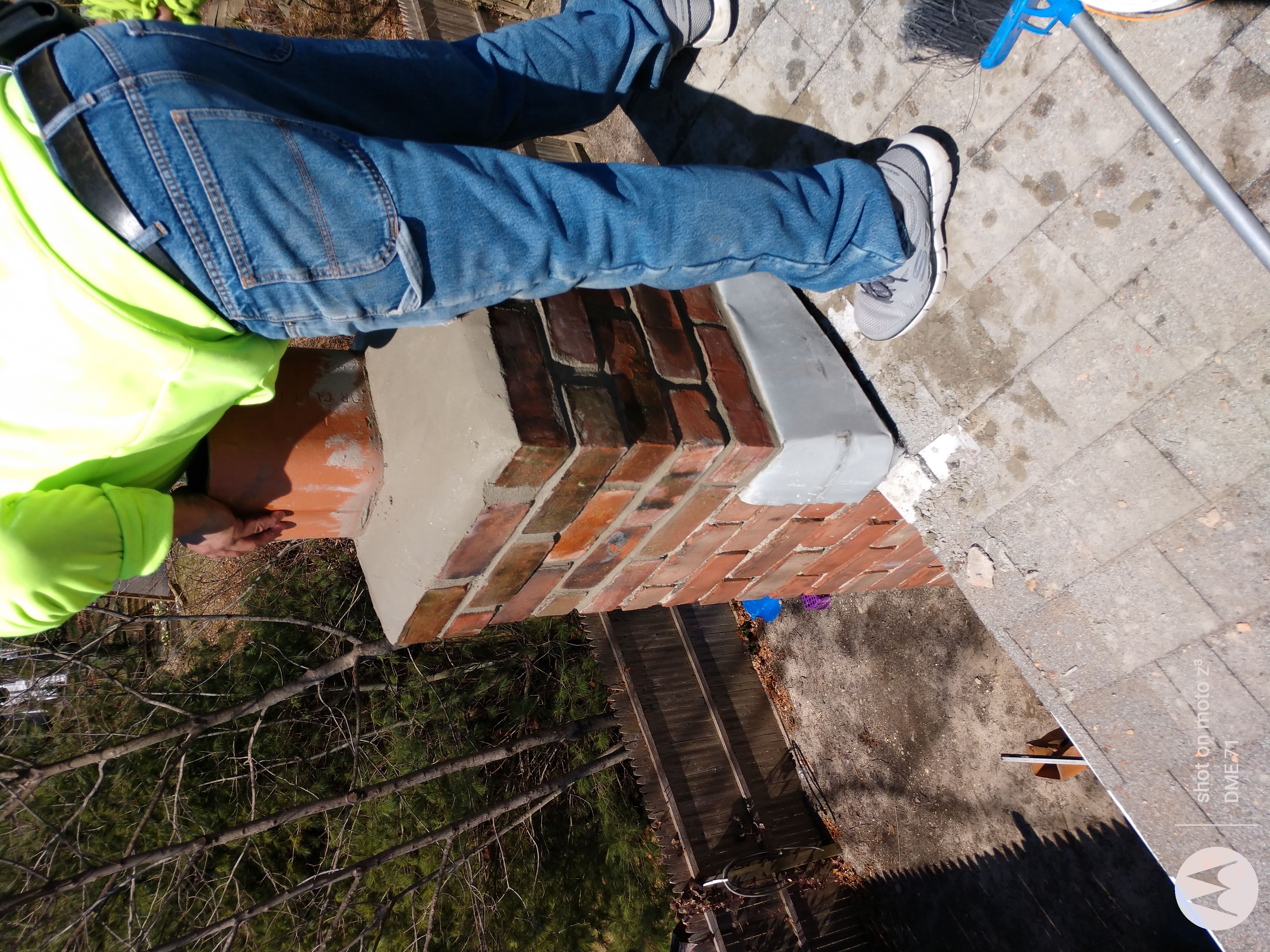
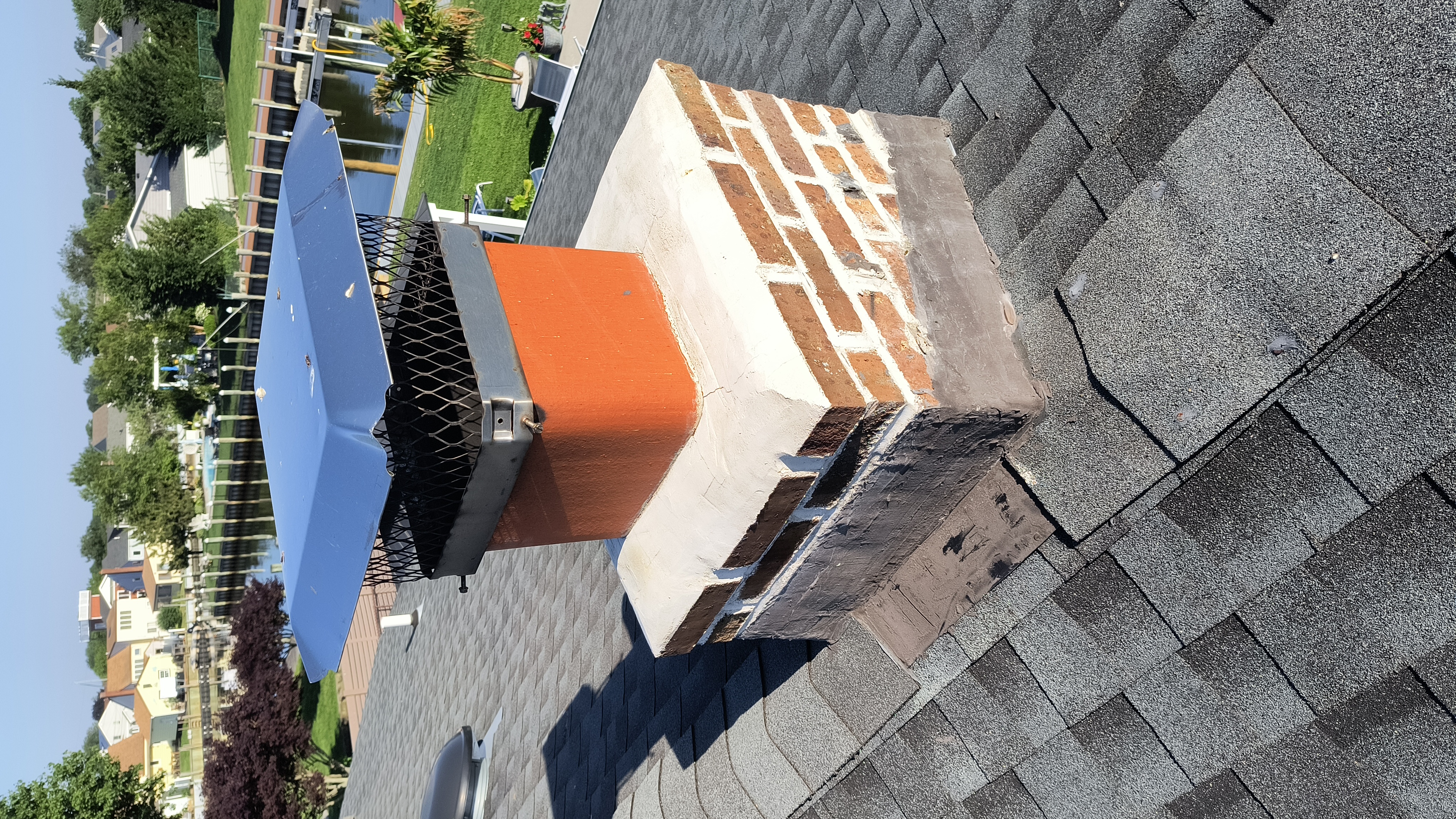
DME Maintenance approaches chimney repair with a clear-eyed assessment of what your specific chimney needs. We examine mortar joint condition brick by brick, looking for patterns that tell us how far deterioration has progressed. We check the chimney crown, the flashing where the chimney meets your roof, and the interior condition where we can access it. For homes in North Bellmore, we pay particular attention to water damage pathways and any signs that moisture has migrated into the surrounding structure. Then we recommend exactly what needs to happen now and what might need attention down the road. Some chimneys need comprehensive repointing, while others need targeted brick replacement in specific problem areas.
Calling Douglas Eberling should be your next step if you've noticed any signs of chimney trouble. We've been serving North Bellmore and the surrounding Nassau County area since 2001, and we're here to help local homeowners avoid the expensive consequences of deferred maintenance. Reach out at 516-690-7471 to schedule a chimney inspection. The sooner you understand what your chimney needs, the sooner you can protect your home, your family, and your budget.