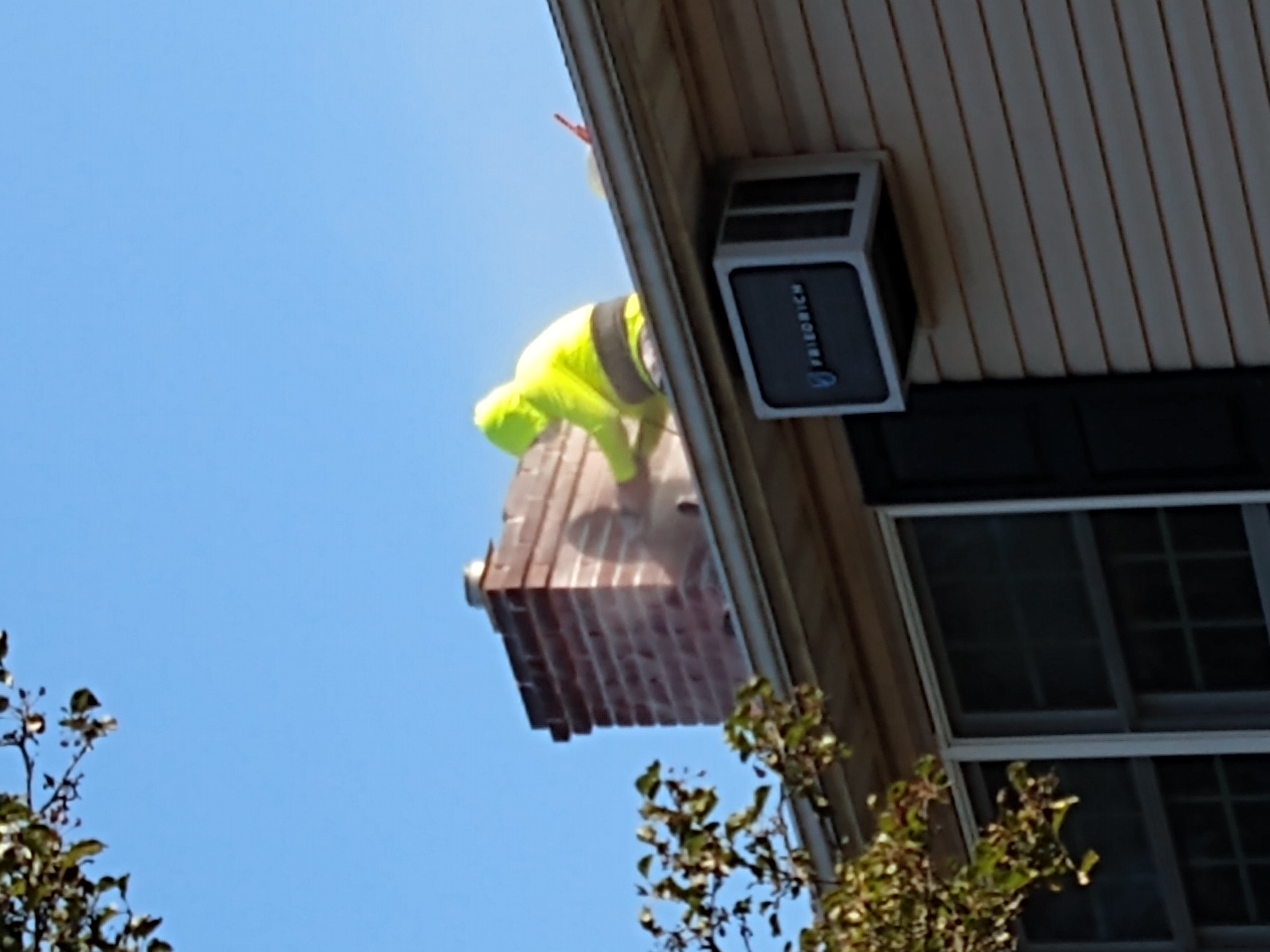

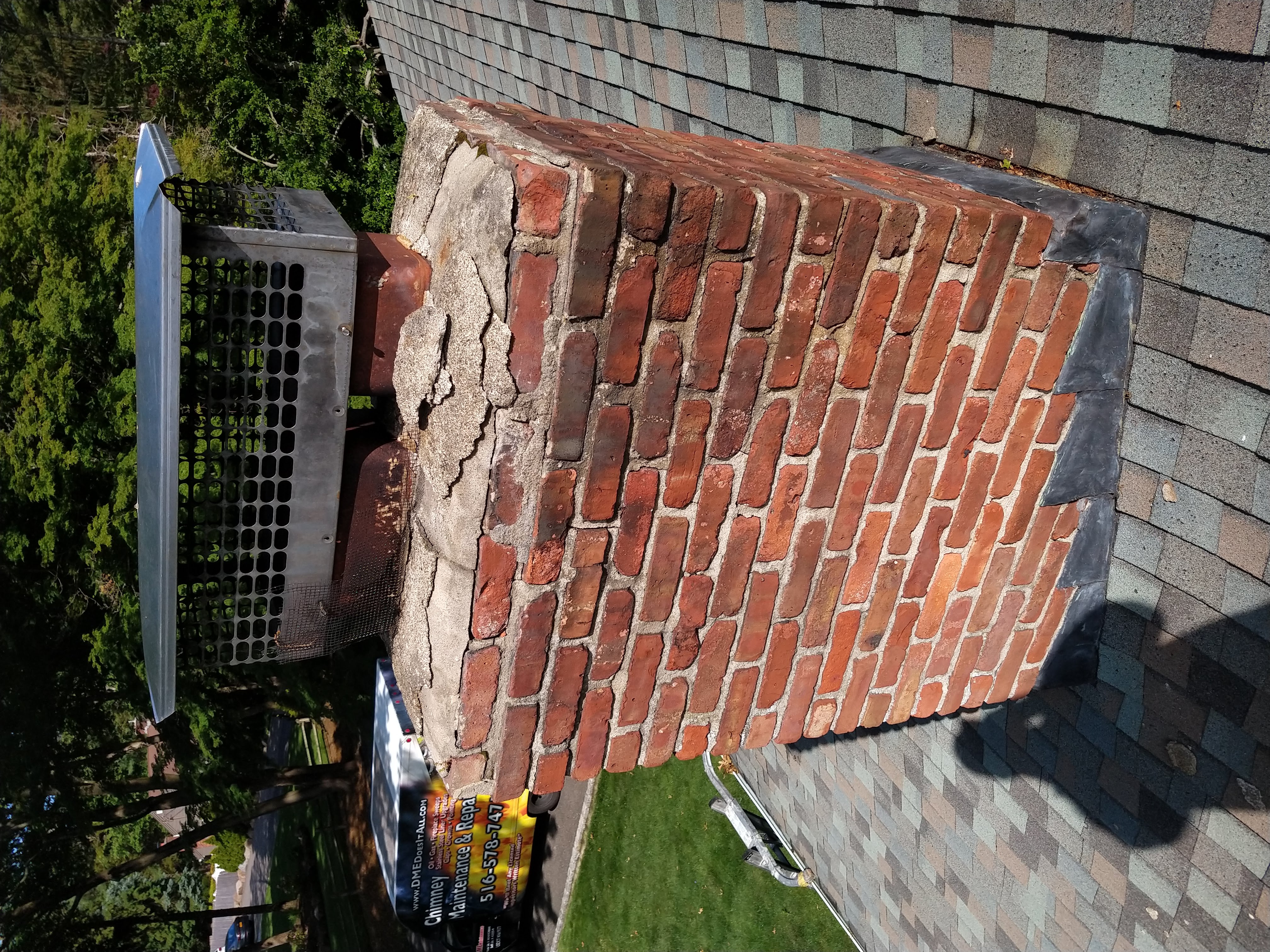
The chimneys on homes in North Bellmore face a relentless challenge that most homeowners don't notice until damage appears. The freeze-thaw cycles that define on Long Island winters cause water to seep into mortar joints, freeze, and expand. This pressure cracks and crumbles the mortar between your chimney's bricks. Over time, those weakened joints allow moisture to penetrate deeper into the structure. Pointing, also called tuckpointing, is the process of removing that deteriorated mortar and replacing it with fresh material. It's one of the most effective ways to protect your chimney from further water damage and extend its lifespan significantly.
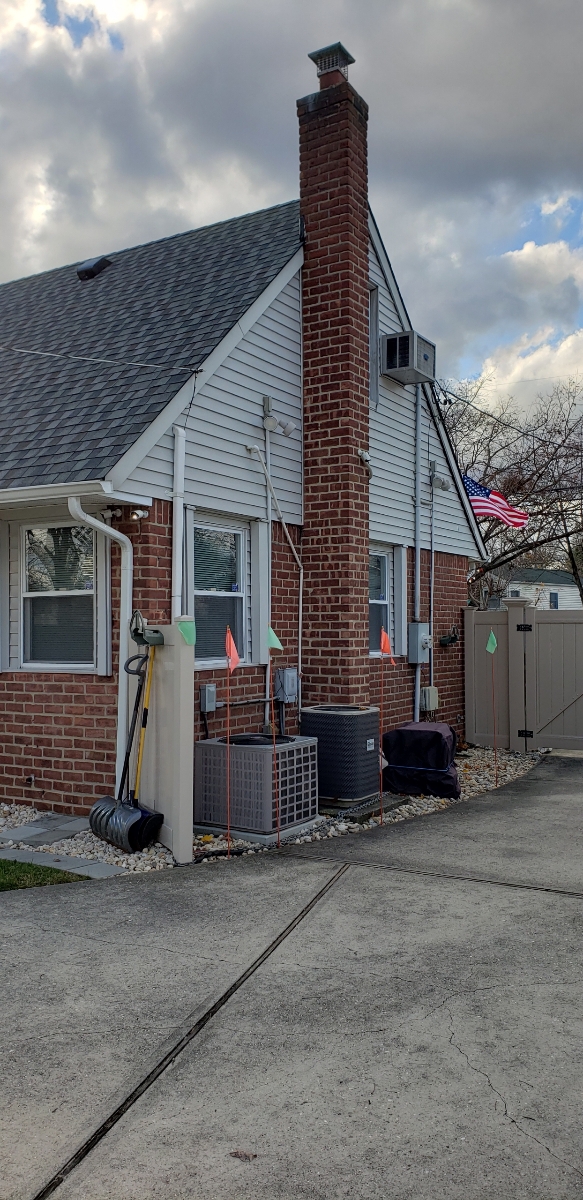
The homes in North Bellmore span several decades of construction, and many were built with oil heating systems that made chimneys a central part of the heating design. Those chimneys have now endured decades of weather exposure, thermal cycling, and seasonal stress. The mortar that was installed when these homes were new has long since passed its useful life. North Bellmore residents often report seeing white staining on their brick, separation between bricks, or visible cracks in the mortar joints. These are clear signs that pointing work has become necessary. Ignoring these warning signs allows water to work deeper into the chimney structure, eventually reaching the interior walls and insulation of your home.
Spring and early summer represent the ideal window for chimney pointing work on Long Island. During these seasons, newly installed mortar cures properly and reaches full strength before the next winter arrives. The moderate temperatures and lower humidity levels of spring and early summer create perfect conditions for mortar to set correctly. If mortar is installed during fall or winter, cold temperatures slow the curing process and can compromise the final product. North Bellmore homeowners who schedule pointing work in spring avoid rushing the project as autumn approaches. You'll also avoid the stress of dealing with chimney problems during the heating season when your fireplace or stove might be in regular use.
Water infiltration stands as the primary enemy of chimney longevity in North Bellmore and across Nassau County, NY. When mortar fails, water doesn't simply run off the outside of your chimney. Instead, it penetrates the joints and moves into the brick itself, eventually reaching the interior of your home. This water can damage wood framing, insulation, drywall, and plaster inside your walls. It can also lead to rust stains on the exterior of your chimney and create conditions where mold and mildew develop. North Bellmore homeowners who live close to the water experience even faster deterioration due to salt air exposure. Addressing mortar deterioration before water infiltration begins is far simpler than dealing with interior water damage.
The specific mortar composition used during pointing matters more than many homeowners realize. Modern pointing mortar isn't the same product that was used decades ago. Historic masonry mortars were softer and more vapor-permeable than contemporary formulas. Using the wrong mortar type during repointing can actually trap moisture inside your brick and cause more damage than the original failing mortar. At DME Maintenance, we understand the chemistry of mortar and the needs of North Bellmore's aging chimney structures. We've been serving North Bellmore and the surrounding Nassau County area since 2001, and that experience guides every pointing project we undertake.
The Long Island freeze-thaw cycle is particularly aggressive on masonry structures that sit above rooflines. Your chimney is exposed to wind, rain, snow, and temperature swings that the rest of your home doesn't experience. During winter, moisture trapped in failing mortar joints freezes and expands with tremendous force. Each freeze-thaw cycle incrementally worsens the damage until entire sections of mortar crumble away. North Bellmore residents who postpone pointing repairs often find that the problem doubles in scope within just one or two winters. What started as deterioration in a few joints can evolve into damage affecting entire sections of the chimney.
Professional pointing requires both craftsmanship and knowledge of masonry principles. The mortar must be carefully removed to the proper depth without damaging the surrounding brick. The joints must be cleaned of all debris and slightly dampened before new mortar is applied. The new mortar must be packed firmly and struck flush to direct water properly away from the brick. Improper technique leaves voids in joints or uses mortar that will fail prematurely. North Bellmore homeowners benefit from working with someone who has completed hundreds of pointing projects and understand how to match the appearance of original work.
DME Maintenance serves every street in North Bellmore. We have been cleaning chimneys on Long Island long enough to know exactly what local homes need — from older clay-lined flues in pre-war houses to modern stainless steel liner systems in newer construction.
DME Maintenance has built a reputation across North Bellmore and the broader Nassau County, NY area as specialists in chimney restoration and maintenance. Douglas Eberling, the owner, has guided the company since its founding in 2001, and that long-term stability matters when you're hiring someone to work on a major structural component of your home. DME Maintenance brings both technical skill and customer service experience to every project. We treat your home with respect and explain the work clearly so you understand exactly what needs to be done and why. When you call us about chimney pointing, you're reaching experienced professionals who've solved these problems countless times on Long Island homes just like yours.
The right time to address chimney pointing is before water damage extends into your home's interior. If you've noticed deteriorating mortar, white staining, or separation between bricks on your chimney, contact DME Maintenance today at 516-690-7471. We serve North Bellmore, Nassau County, NY, and the surrounding area and can schedule a spring or early summer appointment to protect your home before the next freeze-thaw cycle arrives. The longer you wait, the more extensive the damage becomes. Call us now to discuss your chimney's condition and learn how pointing can restore its integrity for decades to come.